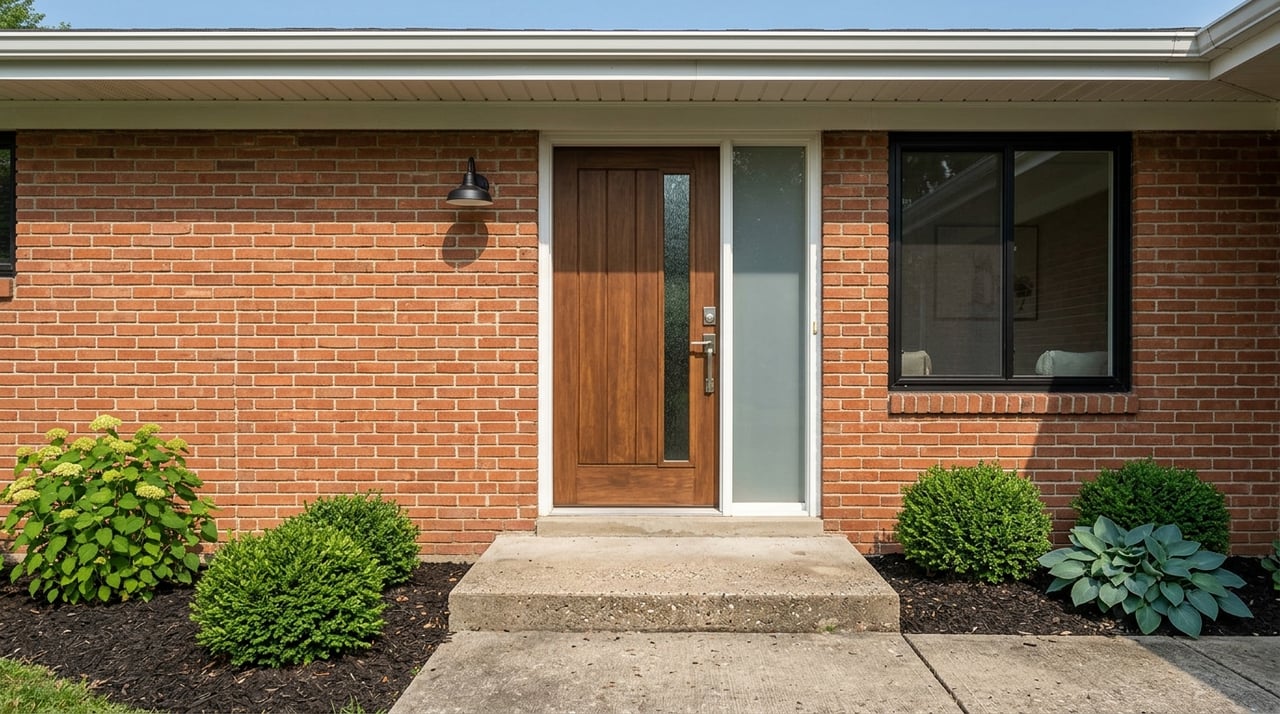
Wondering how to sell an older home in New Castle without getting buried in repairs, second-guessing, and inspection stress? If you have lived in your home for years, or you are helping sell a parent’s house, it is normal to feel attached to the property and unsure where to spend your time and money. The good news is that in New Castle, older homes can still attract strong interest when they are presented honestly, priced realistically, and prepared with care. Let’s dive in.
Why Older Homes Can Still Sell Well
New Castle is a practical, value-conscious market, and that matters when you are selling an older property. Census Reporter shows a median owner-occupied home value of $98,000 in the city, with 52% of owner-occupied homes valued under $100,000. That often means buyers are looking for homes that feel solid, functional, and well cared for rather than fully reworked with expensive luxury finishes.
That is good news if your home has age, character, and a long maintenance history. In many cases, you do not need to erase everything that makes an older home unique. You are usually better off showing buyers that the home has been maintained, that major issues have been addressed, and that they can understand what they are buying.
Focus on Function First
When you are deciding what to fix before listing, start with the items buyers are most likely to notice and inspect. Indiana’s seller disclosure form gives a clear picture of what matters most in an older home sale. It asks about roofing, water and sewer systems, electrical service, heating and cooling, foundation problems, moisture, basement or crawlspace water, pests, floodplain status, access issues, and more.
That is a helpful roadmap for sellers. If you are going to spend money before listing, aim it at visible function and condition rather than trendy updates that may not fit the local price point. In New Castle, clean, safe, working systems usually matter more than trying to make an older home feel brand new.
Pre-Listing Repairs That Often Matter Most
These issues tend to carry the most weight with buyers of older homes:
- Roof leaks or obvious roof damage
- Moisture in the basement or crawlspace
- Foundation movement or structural concerns
- Electrical service issues
- Plumbing, sewer, or septic problems
- Heating and cooling performance
- Signs of wood-destroying insects
- Unresolved code or zoning issues
- Access or encroachment concerns
If you can address the items that affect safety, livability, or the expected life of the home, you will often put yourself in a stronger position when offers and inspections begin.
Keep Original Character Where It Helps
Older New Castle homes often have details that buyers still appreciate. Original trim, woodwork, doors, built-ins, and exterior charm can help your property stand out when they are in good condition. In a city with an active historic preservation framework, originality can be part of the home’s value story.
The key is balance. Preserve what is attractive, repair what is broken, and avoid updates that strip away personality without improving function. A home that feels authentic and well maintained often lands better than one with rushed cosmetic changes.
Know If Historic District Rules Apply
Before you make exterior changes, confirm whether the property is in New Castle’s Historic District or Phase One Historic District. The New Castle Historic Preservation Commission reviews renovation, demolition, and new construction in those districts through Certificates of Appropriateness.
That matters if you are planning to repaint, alter, repair, or otherwise modify the exterior before listing. The city says COA applications must be filed one week before the next commission meeting, and approved projects must display the certificate. If your timeline is tight, this step can affect when your home is ready to hit the market.
Be Careful With Pre-1978 Paint
If your home was built before 1978, lead-based paint rules matter. Sellers of most pre-1978 housing must disclose known lead-based paint information and provide the required federal lead-hazard pamphlet.
Just as important, be cautious with last-minute cosmetic work. The EPA warns that renovation, repair, or painting that disturbs old painted surfaces can create dangerous lead dust. If paid contractors are doing that kind of work, they must use lead-safe practices.
Safer Pre-List Thinking
Before starting a paint project in an older home, ask:
- Will this work disturb old painted surfaces?
- Is this repair necessary for safety or marketability?
- Should a qualified contractor handle it?
- Would disclosure and pricing be better than rushed work?
Sometimes the smartest move is not doing more. A rushed project can create extra cost, extra risk, and extra questions from buyers.
Consider Radon Testing Early
Radon can be a concern in Indiana, especially in homes with basements or crawlspaces. The Indiana Department of Health says anyone performing radon testing or mitigation in residential structures must be state-certified.
For some sellers, testing before listing can be a smart way to get ahead of a buyer concern. If elevated radon levels show up during the buyer’s inspection period, it can quickly become a negotiation issue. Knowing the result early gives you more control over how to respond.
Get Your Records Together Now
Older-home sales go more smoothly when you can show your work. Indiana’s disclosure form states that the seller’s answers are based on current actual knowledge, are not a warranty, and are not a substitute for inspections. It also says sellers must disclose any material change in the property’s physical condition at or before closing.
That makes recordkeeping important. If you have repaired, replaced, or maintained key parts of the home, gather the paperwork before you list.
Helpful Documents to Collect
Try to pull together:
- Roof receipts and installation dates
- HVAC service records or replacement invoices
- Plumbing or electrical repair receipts
- Foundation or waterproofing records
- Sewer or septic paperwork
- Pest treatment documentation
- Permits for completed work
- Contractor notes or warranties you still have
Even a simple folder of records can build confidence. It helps buyers see that the home has been cared for and gives you support when questions come up.
Prepare for Inspection Negotiations
Inspection issues are common with older homes, so do not take them personally. In many cases, the buyer is simply confirming the same types of concerns Indiana already highlights on the disclosure form, such as roof age, moisture, foundation movement, electrical issues, sewer concerns, chimney function, or pests.
The best approach is to stay calm and sort issues into categories. Some items are true defects that deserve attention. Others are simply age-related wear that comes with an older property.
A Smart Way to Respond
When repair requests come in, it helps to think in terms of:
- Safety issues that may need prompt action
- Functional defects that affect how the home works
- Deferred maintenance that buyers may flag but accept
- Cosmetic or age-related issues that may already be reflected in price
In some cases, a credit or concession can be more practical than rushing into a major repair before closing. That can keep the transaction moving while giving the buyer flexibility after purchase.
Estate and Longtime-Owner Sales Need Extra Planning
If you are selling a longtime family home or handling an estate, the process may feel heavier than a typical sale. There is often more paperwork, more emotion, and more uncertainty about what to repair or leave alone.
A few practical steps can make things easier. Make the home easy to access for inspections and showings, gather records early, and confirm who has authority to sign documents. Just as important, try not to let sentimental value drive pricing or repair decisions.
Price and Present the Home Realistically
In New Castle, broad high-end remodels may not recoup as well as targeted improvements that solve real problems. Local housing values and buyer expectations suggest that practical preparation often beats expensive overhauls.
That means your strongest selling strategy is often simple:
- Keep the home clean and functional
- Preserve attractive original features
- Fix the issues buyers are most likely to question
- Disclose honestly
- Price with the market, not memory
That combination can help buyers feel comfortable making an offer. It also helps you move forward with fewer surprises.
Selling an older home with confidence is not about making it perfect. It is about understanding what matters in the New Castle market, handling known issues responsibly, and presenting the property with honesty and care. If you want practical advice on pricing, condition, and next steps for your New Castle home, The McKown Team is here to help.
FAQs
What repairs matter most when selling an older home in New Castle?
- The most important repairs are usually the ones tied to safety, function, and major systems, such as roof leaks, moisture issues, foundation concerns, electrical problems, plumbing, HVAC, and pest damage.
Do older homes in New Castle need major remodeling before listing?
- Not usually. In a value-conscious market like New Castle, targeted repairs and clean presentation often make more sense than expensive luxury upgrades.
What should sellers disclose for an older Indiana home?
- Indiana’s seller disclosure form asks about issues such as roof condition, water intrusion, systems, structure, pests, floodplain status, code concerns, and other defects that significantly affect value, health, safety, or expected life of the property.
Do historic district rules affect older homes in New Castle?
- Yes, if the property is in the Historic District or Phase One Historic District, certain exterior changes may require review by the New Castle Historic Preservation Commission through a Certificate of Appropriateness.
Should you test radon before listing an older New Castle home?
- It can be a smart step, especially for homes with basements or crawlspaces, because it may help you address a buyer concern before it becomes a negotiation issue.
What documents help when selling a longtime-owned home in New Castle?
- Helpful records include receipts, permits, contractor notes, and maintenance history for the roof, HVAC, plumbing, electrical, foundation, sewer or septic, and pest treatment.