Buying your first home can feel like a big leap, especially when you are trying to figure out what counts as a realistic starter home in New Castle. You want a place that fits your budget, does not surprise you with major costs, and still gives you room to settle in comfortably. The good news is that New Castle offers a range of entry-level options, and with the right plan, you can shop with more confidence. Let’s dive in.
New Castle Starter Homes at a Glance
If you are starting your search in New Castle, it helps to know the market is still relatively approachable compared to many other places. Census-based profile data show a median owner-occupied home value of $98,000 in the city, while Redfin’s May 2026 snapshot shows a median sale price of $149,910.
That gap tells you something important. Some homes are still available at lower price points, but many buyers are paying more for updated condition, better systems, or newer construction. In practical terms, many first-time buyers in New Castle will likely be looking in a range around $90,000 to $185,000, based on current listing examples.
New Castle is also a market made up mostly of detached homes. Census-based profile data show about 75% of housing is single-unit, and about 62% of housing is owner-occupied, which supports the idea that first-time buyers here are usually shopping for stand-alone houses rather than large condo or townhouse inventory.
What a Starter Home Looks Like
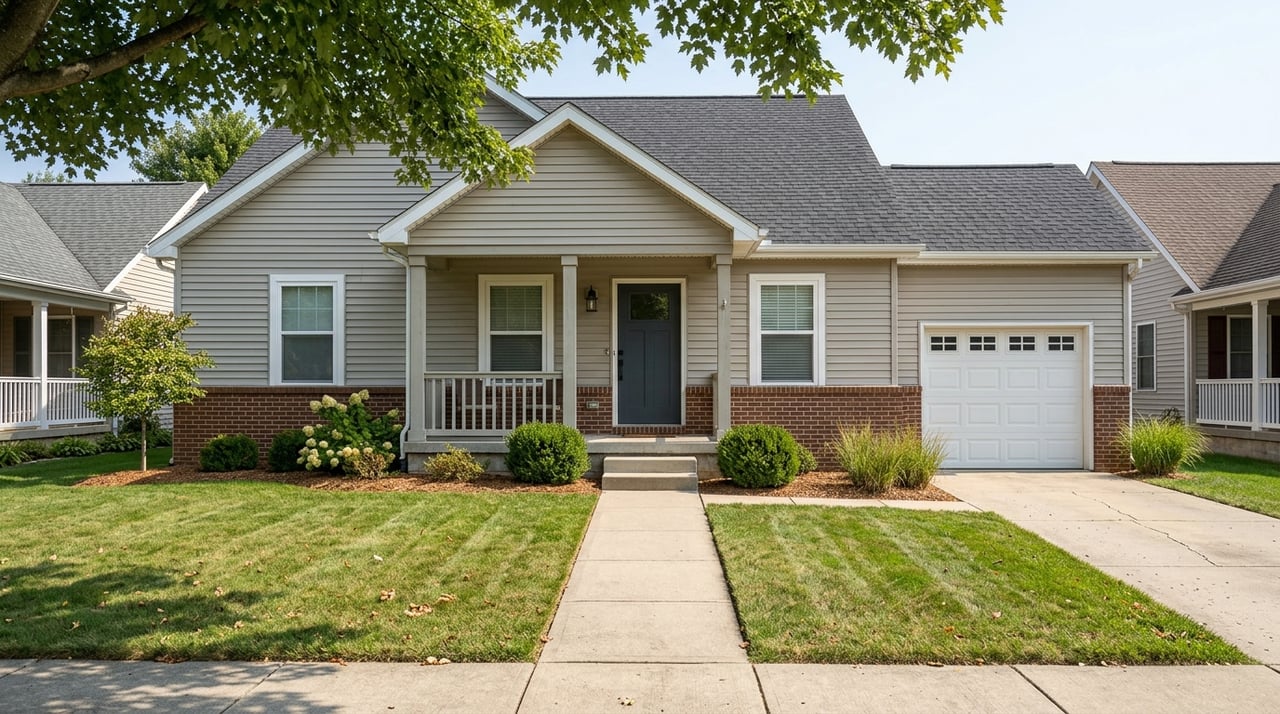
In New Castle, starter homes are often older site-built houses with a lot of variety in style and condition. Recent listing examples include a 1949 bungalow, a 1950 remodeled two-story, a 1951 home on 0.37 acres, a 1965 brick ranch, and even a 2023 new build.
That mix matters because “starter home” here does not mean one standard look. You may find a smaller in-town home on a modest lot, a ranch with a little more yard, or a newer edge-of-town property at the higher end of the starter range.
Henry County land-order data also suggest many New Castle city lots are modest in width, often ranging from 40 to 125 feet in several neighborhoods. So if you are picturing a starter home in town, expect many options to sit on practical urban lots rather than large acreage parcels.
Why Condition Changes the Budget
One of the biggest mistakes first-time buyers make is focusing only on the list price. In New Castle, condition can change affordability very quickly.
Recent examples make that clear. A home sold as-is and needing paint and new carpet sold for $84,444. A move-in-ready older home with newer features sold for $106,000. A remodeled 1950 home with replacement windows and mini-splits was estimated around $139,642, while a 2023 new build on 1 acre was listed at $259,900.
The lesson is simple: lower-priced homes may save you money upfront, but they can require repair reserves right away. Updated homes often cost more because buyers are paying for convenience, newer systems, and fewer immediate projects.
Look Beyond the Purchase Price
Your first-year cost of ownership is about more than the number on the contract. The Consumer Financial Protection Bureau advises buyers to budget not only for the down payment and closing costs, but also for moving expenses, repairs, and home improvements.
That is especially important in a market with older housing stock. If you buy an older home with charm and a lower price, you may also need cash set aside for flooring, paint, appliances, or mechanical updates. A cheaper house is not always the cheaper choice once those first-year costs show up.
A practical first-time buyer budget should account for:
- Down payment
- Closing costs
- Earnest money
- Moving expenses
- Immediate repairs or updates
- An emergency reserve after closing
Financing Steps to Take Early
Before you get serious about touring homes, financing should come first. The Consumer Financial Protection Bureau says many loans require at least 3% down, while closing costs typically run about 2% to 5% of the purchase price.
The same guidance recommends getting at least three mortgage preapprovals. That gives you a clearer picture of your options, helps you compare terms, and keeps you from relying on a single lender’s quote. It is also worth remembering that a preapproval letter is not a guaranteed loan offer and often expires in 30 to 60 days.
In Indiana, it also makes sense to ask early about state assistance options. According to IHCDA’s current homeownership guide, the statewide First Step program offers qualifying first-time buyers 5% down payment assistance, and Next Home offers up to 3.5% down payment assistance through participating lenders.
Who May Qualify as a First-Time Buyer
Some buyers assume they are not first-time buyers if they owned a home years ago. IHCDA defines a first-time homebuyer as someone who has not had a present ownership interest in a principal residence during the previous three years, with some exceptions for targeted areas and eligible veterans.
That means it is worth asking questions rather than ruling yourself out. If you think you might qualify, bring it up with a participating lender as early as possible, because the IHCDA process starts with lender pre-screening and loan reservation.
How Competitive New Castle Is Right Now
New Castle is not the kind of market where every house becomes a bidding war, but it is not a market where you can always wait around either. Redfin describes the city as somewhat competitive, with a median of 35 days on market in its May 2026 snapshot, while some hot homes can go pending in about 6 days.
That creates a split market. Homes that need work may sit longer and offer more negotiating room, while well-priced updated homes can move quickly. If you are shopping for a clean, move-in-ready starter home, you should be prepared to act fast when the right one appears.
Smart Offer Strategy for First-Time Buyers
Speed matters, but protection matters too. A strong first offer is not just about price. It is about showing the seller you are prepared, informed, and ready to follow through.
Here are a few smart basics for first-time buyers in New Castle:
- Get preapproved before you shop seriously
- Compare at least three lenders
- Ask about IHCDA down payment assistance through a participating lender
- Understand your closing costs before making offers
- Use an inspection clause so you can evaluate the home’s condition
- Keep your financing contingency in place unless you fully understand the risk
The Consumer Financial Protection Bureau also notes that earnest money is a good-faith deposit that may be applied to your closing costs or down payment at closing. That money helps show you are serious, but you still want your contract protections in place.
What the Timeline Usually Looks Like
Many first-time buyers think closing is one big final meeting, but most of the work happens before that day. After your offer is accepted, the process usually centers on loan processing, appraisal, inspection, title work, and document review.
The Consumer Financial Protection Bureau says the lender must deliver the Closing Disclosure at least three business days before closing. That gives you time to review final numbers before you sign. In other words, once you are under contract, staying organized and responsive is just as important as finding the home in the first place.
A Simple New Castle Starter-Home Plan
If you want to keep the process manageable, follow a simple order of operations. This can help you avoid getting emotionally attached to homes that do not fit your real budget or condition comfort level.
Step 1: Set a real monthly budget
Think beyond principal and interest. Include insurance, taxes, utilities, repair reserves, and any immediate work the house may need.
Step 2: Talk to lenders early
Get at least three preapprovals and ask whether you may qualify for IHCDA assistance. If down payment help is part of your plan, this step should happen before your search gets serious.
Step 3: Define your condition comfort zone
Decide whether you want a home that is move-in ready, one that needs cosmetic updates, or one that requires heavier work. In New Castle, that choice can have a major impact on both price and stress level.
Step 4: Watch the right price band
Based on current examples, many practical starter-home options fall roughly between $90,000 and $185,000. Lower-priced homes may need more work, while higher-priced homes may offer newer features or less immediate maintenance.
Step 5: Move quickly, but inspect carefully
Well-kept homes can move fast in this market. When you find a solid fit, be ready to write an offer, but do not skip the chance to understand the property’s condition.
Why Local Guidance Matters
In a market like New Castle, small details can make a big difference. Two homes at similar prices can have very different upkeep needs, lot sizes, update levels, and long-term value depending on where they sit and how they have been maintained.
That is where practical local guidance helps. When you are buying your first home, you need more than a list of active properties. You need clear answers about condition, pricing, timing, and what is realistic for your budget in today’s market.
If you are thinking about buying your first home in New Castle, The McKown Team can help you make sense of the local market, compare your options, and move forward with confidence.
FAQs
What price range counts as a starter home in New Castle?
- Based on current listing examples, many starter-home options in New Castle fall roughly between $90,000 and $185,000, with some lower-priced outliers needing more work.
What kinds of starter homes are common in New Castle?
- Many New Castle starter homes are older detached houses, including bungalows, two-story homes, and brick ranches, often on modest in-town lots.
How competitive is the New Castle home market for first-time buyers?
- Redfin describes New Castle as somewhat competitive, with a median of 35 days on market, though well-priced updated homes can go pending much faster.
What should first-time buyers budget besides the down payment?
- You should also budget for closing costs, moving expenses, repairs, home improvements, and an emergency reserve after closing.
What Indiana down payment help is available for first-time buyers?
- IHCDA’s current guide says qualifying buyers may have access to First Step with 5% down payment assistance and Next Home with up to 3.5% down payment assistance through participating lenders.
When should a New Castle first-time buyer get preapproved?
- You should get preapproved before shopping seriously, because it helps you compare lenders, understand your budget, and move faster when the right home comes up.